Showing posts with label household. Show all posts

Friday, February 20, 2015

Chemicals associated with E-Cigarettes


Electronic cigarette is also referred as e-cig or e-cigarette, which is a battery-powered vaporizer which has a similar feel to tobacco smoking.
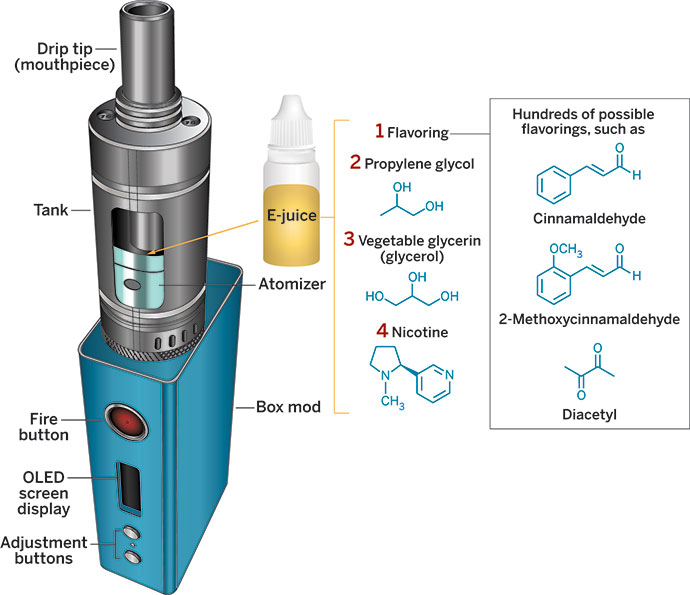


Third generation of e-cigarette that have organic light-emitting diode displays and buttons to adjust wattage or voltage.
Credit: Shutterstock/C&EN

Electronic cigarettes do not contain tobacco, although they do use nicotine from tobacco plants. They do not produce cigarette smoke but rather an aerosol. In general, they have a heating element that atomizes a liquid solution known as e-liquid.  E-liquid, also referred as e-juice or simply "juice", is a liquid solution that when heated by an atomizer produces vapor. The main ingredients of e-liquids are usually a mix of
propylene glycol (PG),


glycerin (G)


and/or polyethylene glycol 400 (PEG400),


sometimes with differing levels of alcohol mixed with concentrated or extracted flavourings;

E-cigarette fluid or “e-juice” comes in thousands of flavors, including pineapple custard and Scooby snack.
Credit: Associated Press


and optionally, a variable concentration of tobacco-derived nicotine.ingredients but without nicotine.
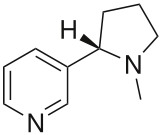

The solution is often sold in bottles or pre-filled disposable cartridges, or as a kit for consumers to make their own eJuices. Components are also available to modify or boost their flavour, nicotine strength, or concentration of e-liquid. Pre-made e-liquids are manufactured with various tobacco, fruit, and other flavors, as well as variable nicotine concentrations (including nicotine-free versions). Surveys suggested that the most liked e-liquids had a nicotine content of 18 mg/ml, and largely the favorite flavors were tobacco, mint and fruit. The flavorings may be natural or artificial.

Flavoring substances not identified in a natural product intended for human consumption, whether or not the product is processed. These are typically produced by fractional distillation and additional chemical manipulation of naturally sourced chemicals, crude oil or coal tar.

Most artificial flavors are specific and often complex mixtures of singular naturally occurring flavor compounds combined together to either imitate or enhance a natural flavor. These mixtures are formulated by flavorists to give a food product a unique flavor and to maintain flavor consistency between different product batches or after recipe changes. The list of known flavoring agents includes thousands of molecular compounds, and the flavor chemist (flavorist) can often mix these together to produce many of the common flavors.

ChemicalOdor
Diacetyl
Buttery
Isoamyl acetate
Banana
Benzaldehyde
Bitter almond
Cinnamaldehyde
Cinnamon
Ethyl propionate
Fruity
Methyl anthranilate
Grape
Limonene
Orange
Ethyl decadienoate
Pear
Allyl hexanoate
Pineapple
Ethyl maltol
Sugar, Cotton candy
Ethylvanillin
Vanilla
Methyl salicylate
Wintergreen

References and more to read:
http://cen.acs.org/articles/93/i7/Boom-E-Cigarettes-Sparks-Calls.html
http://en.wikipedia.org/wiki/Electronic_cigarette#Atomizer
http://health.howstuffworks.com/wellness/smoking-cessation/10-facts-about-e-cigarettes.htm
http://en.wikipedia.org/wiki/Flavor

Thursday, February 5, 2015

Polychlorinated biphenyls (PCBs) in silicone-based adhesives and chlorophenylsilanes

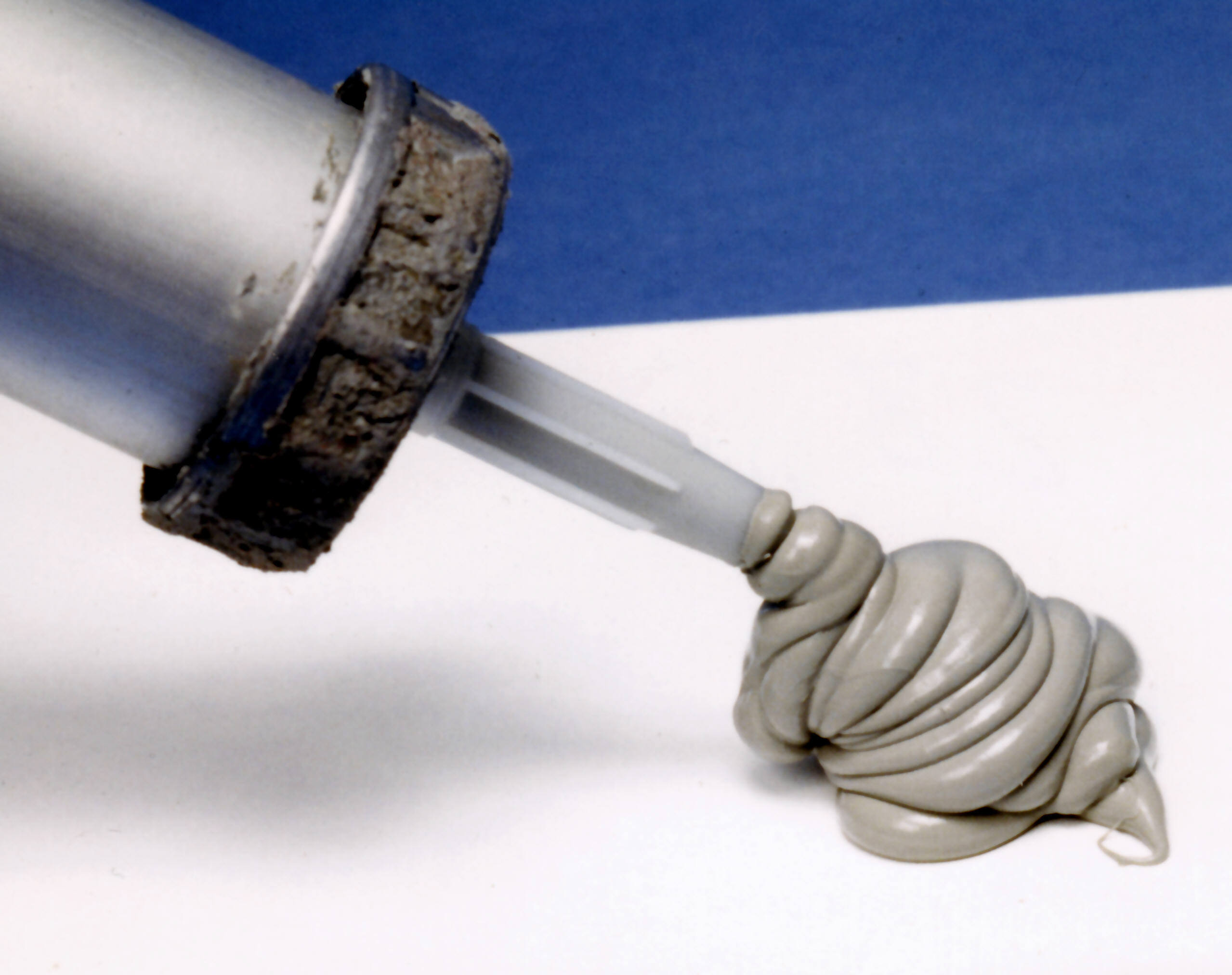
Chlorophenylsilanes are the intermediate substances in the manufacturing of phenyl silicones. As suggested by evidence found in a recent study by Katsunori Anezaki,Takeshi Nakano
polychlorinated biphenyls (PCBs) could be formed along with reactions to synthesize
phenyl silicone.
Silicones are typically heat-resistant and rubber-like, and are used in sealants, adhesives, lubricants, medicine, cooking utensils, and thermal and electrical insulation. Some common forms include silicone oil, silicone grease, silicone rubber, silicone resin, and silicone caulk. Compared to methyl-based silicones, phenyl-based silicones have higher oxidation resistance, thermal stability and shear resistance. At elevated temperatures, phenyl-based silicones are more stable and resistant to thermal and oxidizing attack.

Wednesday, February 4, 2015

Historical used organochlorine termiticides

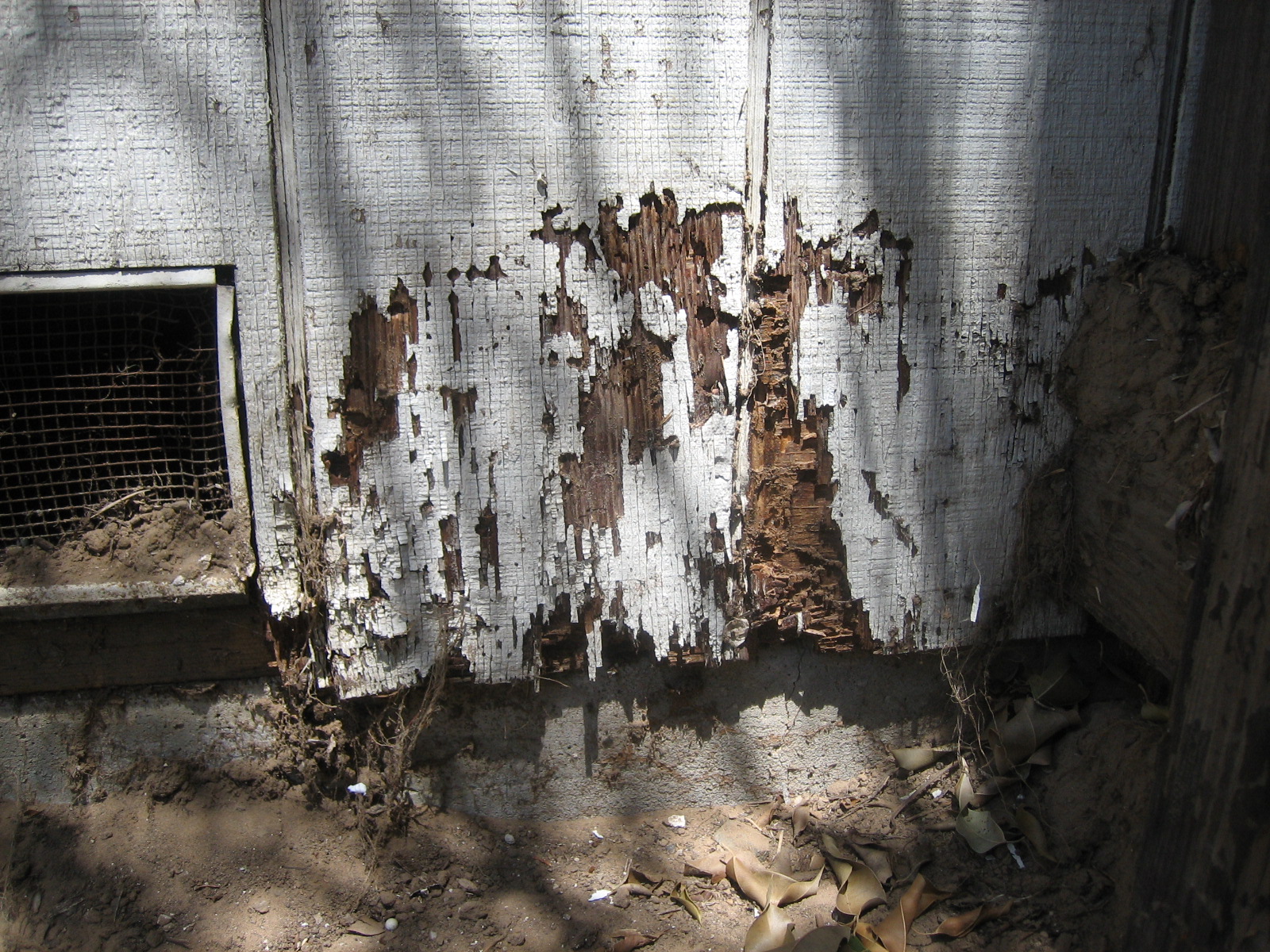
Organochlorine termiticides are a group of pesticides that were used for termite control in and around wooden buildings and homes from the mid-1940s to the late 1980s. These organochlorine pesticides included chlordane, aldrin, dieldrin, heptachlor, and dichlorodiphenyltrichloroethane (DDT). They
were used primarily by pest control operators in tropical urban areas, but also by homeowners, the military, the state, and counties to protect buildings against termite damage.


Chlordane as one of the most widely used termiticide before 1980s


In the 1970s and 1980s, the U.S. Environmental Protection Agency (EPA) banned all uses of these organochlorine pesticides except for heptachlor, which can be used today only for control of fire ants in underground power transformers.

Termiticides were commonly applied directly to soil beneath buildings or beneath slab foundations and around the foundation perimeter for new construction. They may also have been periodically applied underneath the building (if accessible) at occupied structures, around the perimeter of the foundation, or in trenches excavated around the foundation, or by injection through holes drilled next to the foundation or in the flooring at the periphery of walls.

These pesticides break down slowly in the environment, application rates were relatively high, and applications may have been repeated over time. As a result, these organochlorine termiticides may sometimes still be found in treated soils. The organochlorine termiticides contaminated soil becomes secondary source of the chemicals in he air.


Recommended  actions to limit or avoid exposure include:
 Plant grass or other non-edible vegetation
 Cover contaminated soil with some kind of surface material such as gravel (within several feet of the foundation) to act as a barrier to prevent soil exposure.
 Keep children from playing in dirt near the foundation and keep toys, pacifiers, and other items that go into children’s mouths clean.
 Locate pet enclosures away from the perimeter of the building foundation.
 Do not grow edible produce such as fruits and vegetables in potentially contaminated soils next to the building foundation. Cover the soil next to the foundation, or add clean soil and landscape with non-edible plants.
 Do not relocate soils from underneath the building or from the foundation perimeter to other areas of the property.
 To reduce exposure to soil, cover bare soil underneath the house with a barrier material such as gravel or plastic before you work or store materials underneath the house.

 Wash hands and face thoroughly after you work or play in soil near the building foundation, especially before meals and snacks.
 Avoid tracking soil from near the foundation perimeter into the home and clean it up right away if soil is tracked in. Remove work and play shoes before you enter the house. Keep pets from tracking
contaminated soil into your home.
 If you work with contaminated soil or soil that may be contaminated, you should wear gloves and
protective clothing (long-sleeve shirt and pants) to reduce exposure. A protective paper mask (N-95 type with two elastic straps) should be worn if airborne dust is present (such as when you are operating a weed-eater in contaminated or potentially contaminated areas). Working with contaminated soil may leave residues on your clothing, so change clothes and shower after you work with the soil and avoid spreading dirt from clothes or shoes into your vehicle or house.

Information retrieved from
http://eha-web.doh.hawaii.gov/eha-cma/Downloads/HEER/termiticidefactsheetfinalsept2011.pdf


Monday, February 2, 2015

Health Risks from Inhaled Polychlorinated Biphenyls


Evaluating Health Risks from Inhaled Polychlorinated Biphenyls: Research Needs for Addressing Uncertainty


A recent article published in Environ Health Perspect by Lehmann et al. DOI:10.1289/ehp.1408564 describes some common sources of PCBs in indoor air and estimate the contribution of inhalation exposure to total PCB exposure for select age groups and identified some critical areas of research needed to improve assessment of exposure and exposure response for inhaled PCBs.

Air concentrations of polychlorinated biphenyls (PCBs) in some buildings can be orders of magnitude higher than background levels. The potential health risk posed by PCBs from indoor environment need to be assessed. To assess such risk we need to face some uncertainty.

Previous assessments of exposure and risk associated with PCBs primarily focused on dietary intake of contaminated food. With many recent studies suggested the importance of indoor PCB exposure, this article points out one important uncertainty for risk assessment of PCBs from indoor exposure.

The distributions of  PCB congeners in food and in indoor air are quite different. As such, toxicity of of PCB mixtures from indoor environment is likely to be different from toxicity due to dietary intake.

In addition to the uncertainty mentioned in the article, I think another uncertainty we need to face lies in the pathway from external exposure to internal exposure. Bioavailability/toxicokinetics of PCBs from inhalation would be quite different from dietary intake and need to be addressed.


Sunday, February 1, 2015

Roles of the human occupant in indoor chemistry

"Human occupants, through the reactive chemicals that they emit, have a large influence on
the atmospheric chemistry that occurs around them, ultimately impacting their own chemical
exposures and their health" --A recent article published in the journal Indoor Air by Charles J. Weschler from the Environmental and Occupational Health Sciences Institute, Rutgers University gives an overview on roles of the human occupant in indoor chemistry.

Clean up

As summarized by Weschler, a number of evidences suggested that there are pronounced influences of humans on chemistry within the indoor spaces they inhabit.

Occupants leave behind skin flakes, skin oils and body effluents on indoor surfaces and on their clothing. These human generated long-chain hydrocarbon involve unsaturated carbon bonds, which will react with indoor ozone and thus affect indoor chemical reactions involving ozone.

This review article also summarized the potential role of occupants on the levels of semivolatile organic compounds from indoor sources, which is based on a human uptake and exposure model coupled with an indoor chemical fate mass balance model that suggests human intake and elimination of a chemical (e.g., biotransformation, renal excretion, fecal egestion, hand washing, bathing)
influences its fate indoors. Such an impact varies according to chemicals properties (volatility, degradation, etc) as well as environmental characteristic (e.g., ventilation) and human behaviors (e.g. the frequency of cleaning. As mentioned by Wescler, this is an area that is potentially rich
for further exploration. Refer to this modeling study for more information.

Some facts summarized in the article:

  • lipids on skin surface of human are a combination of sebum secreted by sebaceous glands and lesser amounts of lipids from the stratum corneum
  • The chemicals that constitute skin surface lipids include triacyl glycerols (~25%), unesterfied fatty acids (~25%), wax esters (~22%), squalene (~10%), mono- and diacyl glycerols (~10%) and lesser amounts of sterol esters, sterols, phospholipids and other species 
  • squalene is responsible for roughly 50% of the unsaturated carbon bonds in skin surface lipids
Finally, the review article by Weschler provides a summary on the roles of the human occupant in indoor chemistry- "We have read the early pages of what promises to be a long and interesting book –interesting, in part, because the subject is us. This unfolding story promises to inform strategies designed to protect our health, our technical devices and our cultural artifacts"


References and more to read: 

Friday, January 30, 2015

$$$ saving is not the most motivative way to get people to save energy

What's the best way to persuade people to save energy or choose energy saving products ?  We might think it is by calculating how much money can be saved. 


But according to a recent study on incentives and energy conservation by Asensioa and Delmas at UCLA, today's U.S. electricity prices (averaging 13 cents per kilowatt hour nationally) the amount of money consumers could save by cutting energy isn't high enough to be motivating. Reminders of the environmental health benefits of cutting electricity use are far more powerful motivation.


The study was conducted by installing smart meters and appliance-level monitoring technology in the homes of about 120 young Los Angeles couples and families in the randomized, controlled experiment. The households were sent weekly e-mails to test the power of different motivational messages.

The group that received reminders of how much money they could save by cutting back on electricity showed no net energy savings over the four-month trial. But a similar group cut energy use 8 percent after receiving e-mails about the amount of pollution they were producing, and how it has been shown to cause childhood asthma and cancer. The health message was most effective in the subset of households with children at home

The health effects of ambient air pollution from coal and natural gas-burning, the fuels that generate most of the world's electricity. Global health damage estimates already exceed $120 billion, as noted in the study.

References and more to read: 
http://www.pnas.org/content/early/2015/01/07/1401880112
http://www.dailyclimate.org/tdc-newsroom/2015/01/energy-savings-health-benefits